Fix
Blisters from walking boots: why and what to change
Published
Note: This page contains affiliate links. If you buy through them we may earn a commission at no extra cost to you. Learn more
In short
Blisters from walking boots come from friction, usually made worse by moisture and heat. The cause is most often movement inside the boot (heel lift, foot sliding forward), a pressure point from the boot's shape, damp or cotton socks, or new boots not yet broken in. Look at where the blister forms, then change the lacing, socks or boot fit for that spot.
Products for this job
Compare all 7 productsLowa Renegade GTX Mid: leather upper, Gore-Tex
Check price on AmazonAffiliate linkMeindl Bhutan MFS GTX: leather lined, made in Germany
Check price on AmazonAffiliate linkScarpa Terra GTX: leather with Vibram Energy II sole
Check price on AmazonAffiliate link
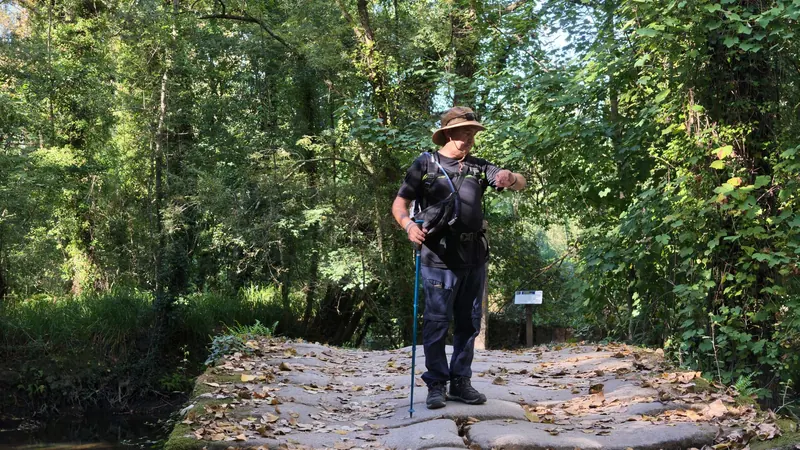
Almost every walker gets a blister at some point, often from a new pair of boots or a long day in wet weather. Blisters form when skin rubs repeatedly against a sock or boot, especially when warm and damp. You cannot rule them out completely, but you can usually find what is causing them and change it. This guide explains the common causes, what the location of a blister suggests and what to try with socks, lacing and boots.
Why blisters form
A friction blister forms when the outer layers of skin are rubbed back and forth repeatedly and separate, with fluid filling the gap. Three things make that more likely: movement between foot and boot, pressure that concentrates force on one spot, and moisture, which softens skin and increases friction.
Walking boots add all three on a long day: feet swell, sweat builds up, descents push the foot forward and wet grass or rain can soak socks.
What the location tells you
Where a blister forms is a strong clue to its cause. Use the table as a starting point.
| Location | Likely cause | What to try |
|---|---|---|
| Back of heel | Heel lifting in the boot | Heel-lock lacing, thicker sock, heel grips |
| Tips of toes or under toenails | Foot sliding forward downhill, or boot too short | Firmer upper lacing, check toe room |
| Side of big toe or little toe | Boot too narrow or seam pressure | Wider last, stretch leather at a cobbler |
| Ball of foot | Heat, moisture, worn insole | Better socks, new or cushioned insole |
| Top of toes | Low toe box | Higher-volume boot |
Socks: the easiest change
Avoid cotton socks for walking. Cotton holds sweat against the skin and bunches when wet. Walking socks in merino wool or synthetic blends move moisture away from the skin and stay in place better. Many have cushioning at the heel and ball of the foot.
Some walkers use a thin liner sock under a walking sock, so friction happens between the two socks rather than against the skin. Others prefer a single well-fitting sock. Make sure socks are not too big, as wrinkles create pressure points. On long or wet days, a dry spare pair at lunchtime helps.
Read hiking socks explained for a full guide to materials and thickness.
Lacing and fit
Most heel blisters come from heel lift, and most toe blisters from the foot sliding forward. Both are often improved with lacing: heel-lock lacing to hold the heel, and a firmer upper zone with a surgeon's knot so the foot stays back on descents. See how to lace walking boots.
If lacing does not fix it, check the size. With the heel pushed back, you should have about a thumb's width of toe room. Too little and your toes hit the front; too much and your foot slides. If the boot presses on the side of your foot, it may be too narrow; our walking boots for wide feet guide lists roomier lasts.
Breaking in and protecting hot spots
New leather boots are stiff and can rub until they soften and flex. Break them in with short walks before a long day; see how to break in walking boots. Fabric boots need less break-in but can still rub at seams.
On the walk, stop as soon as you feel a hot spot, a warm, sore patch. Dry the area, and cover it with tape or a blister plaster before a blister forms. Many walkers pre-tape known problem areas before setting off.
Keep feet as dry as you can: air them at lunch, change damp socks and keep toenails trimmed so they do not press against the toe of the boot.
Note:Do not burst blisters unnecessarily. Keep them clean and covered. If a blister is very painful, keeps returning or shows signs of infection such as redness, heat or pus, ask a pharmacist or GP for advice. People with diabetes or poor circulation should take foot problems to a health professional promptly.
When it is the boot
If you get blisters in the same place on every walk despite good socks, lacing and break-in, the boot may simply be the wrong shape for your foot. Different brands use different lasts: some have roomy heels, others narrow toe boxes. Trying another model is often the real fix.
Our guide to the best walking boots for UK hills compares established models on materials and listing facts. Try any new pair indoors first, including on stairs, to check heel hold and toe room.
Frequently asked questions
Do hiking socks stop blisters? Good walking socks reduce friction and moisture, which lowers the chance of blisters, but they cannot guarantee none.
Should I wear two pairs of socks? A thin liner under a walking sock works for some people. Two thick socks usually make a boot too tight.
Why do new boots give me blisters? Stiff new boots flex less and can rub until broken in. Short walks first help.
Can I walk on with a blister? Many people do once it is covered, but stop and treat hot spots early to avoid making it worse.
What you need
- Check price on AmazonAffiliate link
Lowa Renegade GTX Mid: leather upper, Gore-Tex
- Check price on AmazonAffiliate link
Hanwag Tatra II GTX (2E width): nubuck, leather lined
- Check price on AmazonAffiliate link
Lowa Tibet Evo GTX: calf-height leather trekking boot