Fix
Heel slipping in walking boots: causes and fixes
Published
Note: This page contains affiliate links. If you buy through them we may earn a commission at no extra cost to you. Learn more
In short
A little heel lift is normal in new, stiff boots. Too much usually comes from loose lacing over the ankle, a boot that is too long, a heel cup too wide for your foot or thin socks. Try heel-lock lacing first, then a thicker or better-fitting sock, then a fuller insole or heel grip. If none of these work, the boot's last probably does not suit your heel.
Products for this job
Compare all 6 productsLowa Tibet Evo GTX: calf-height leather trekking boot
Check price on AmazonAffiliate linkScarpa Kailash Trek GTX: high top, Vibram Biometric
Check price on AmazonAffiliate linkLa Sportiva Trango TRK GTX: leather, ankle high
Check price on AmazonAffiliate link
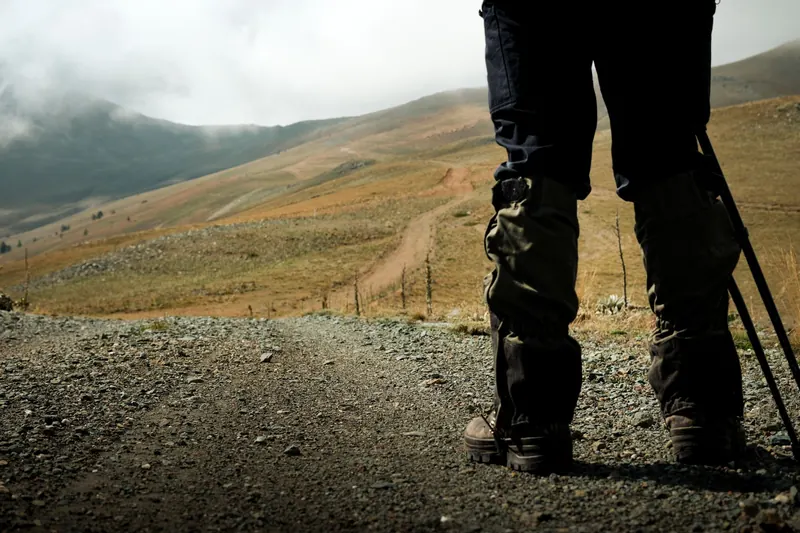
Heel slip is one of the most common fit problems with walking boots and one of the main causes of blisters at the back of the heel. On a climb, your heel lifts out of the heel cup with every step; on descents, your foot slides forward. The good news is that many cases can be fixed with lacing or small changes. This guide works through the causes in order, from the easiest fix to the point where the boot needs to go back.
How much heel lift is normal?
Brand-new boots, especially stiff leather ones, do not flex much at first. When the sole will not bend, the heel lifts a little instead. That kind of lift usually reduces as the boot breaks in and starts to flex at the ball of the foot.
A few millimetres of movement is common. If your heel lifts noticeably with every step, rubs, or you can feel your foot sliding forward downhill, it needs attention.
Causes and fixes at a glance
Work down the table from the top. The first rows are quick and free to try.
| Cause | Sign | What to try |
|---|---|---|
| Loose lacing over the ankle | Lift reduces when you pull the top laces hard | Heel-lock lacing, surgeon's knot |
| New, stiff sole | Lift in new boots only | Break in with short walks |
| Socks too thin or worn | Better with thicker socks | Thicker cushioned walking socks |
| Low-volume foot in a roomy boot | Space above the foot | Fuller insole, tongue pad |
| Narrow heel in a wide heel cup | Heel moves side to side | Heel grips, or a different last |
| Boot too long | More than a thumb's width at the toe | Smaller size |
Fix 1: Change the lacing
The heel-lock or lace-lock is the first thing to try. It pulls the boot's ankle tighter around the heel without squeezing your toes. Lace normally to the last hook, take each lace straight to the top hook on the same side to form a loop, cross the laces and thread each through the opposite loop, then pull down and tie.
Combine it with a surgeon's knot where the eyelets meet the hooks, so you can keep the forefoot relaxed and the ankle firm. Full steps are in how to lace walking boots.
Fix 2: Socks and insoles
Walking socks with a cushioned heel fill space and grip the inside of the boot better than thin or worn socks. Try a thicker pair, or a thin liner sock under your walking sock if you need a little more volume.
If your foot is low in volume, the boot may have spare room above the foot. An aftermarket insole with a deeper heel cup or more volume lifts the foot and fills that space. Read walking boot insoles explained before buying.
Self-adhesive heel grips, stuck inside the heel counter, can help a narrow heel in a wider cup. Place them carefully so they do not create a new pressure point.
Fix 3: Break the boots in
If the boots are new and stiff, wear them for short walks first. As the sole starts to flex, the heel has less reason to lift. Our break-in guide gives a staged plan. Fabric boots break in quickly; thick leather boots take longer.
Protect hot spots during break-in with a blister plaster or tape on the heel before they become blisters.
Note:If you develop a painful or broken blister, keep it clean and covered. Seek advice from a pharmacist or GP if it shows signs of infection.
When the boot is the wrong shape
If nothing helps, the boot's last does not match your heel. Some brands are known for roomy heel cups, others for snug ones, and women's boots are usually cut narrower at the heel than men's. Try a different brand or model, or a women's last if it fits your size.
When trying replacements, test the heel on a slope or stairs: walk uphill and watch for lift, walk down and feel whether your foot slides forward. Our guides to the best walking boots for UK hills and walking boots with ankle support list models with firm cuffs and laced heel hold to try.
Frequently asked questions
Is some heel lift normal in walking boots? A little, especially in new stiff boots. It should reduce as they break in.
Should I size down to stop heel slip? Only if the boot is too long, with more than a thumb's width at the toe. Otherwise, sizing down can cause toe problems.
Do heel grips work? They can help a narrow heel in a wide boot, but they are a fine-tuning tool, not a fix for a boot that is too big.
Can heel slip cause blisters? Yes. Friction from a lifting heel is a common cause of heel blisters. See blisters from walking boots.
What you need
- Check price on AmazonAffiliate link
Lowa Tibet Evo GTX: calf-height leather trekking boot
- Check price on AmazonAffiliate link
Lowa Renegade GTX Mid: leather upper, Gore-Tex
- Check price on AmazonAffiliate link
Scarpa Terra GTX Women: leather, Vibram Energy II