Guide
What boots do you need for Kilimanjaro?
Published
Note: This page contains affiliate links. If you buy through them we may earn a commission at no extra cost to you. Learn more
In short
Most trekkers on Kilimanjaro wear well broken-in, waterproof mid or high trekking boots with a supportive sole and room for thick socks. They need to be comfortable over several days, warm enough with good socks for a freezing summit night and protective on loose scree on the descent. Crampon-compatible mountaineering boots are not normally needed on the standard trekking routes.
Products for this job
Compare all 6 productsLowa Tibet Evo GTX: calf-height leather trekking boot
Check price on AmazonAffiliate linkScarpa Kailash Trek GTX: high top, Vibram Biometric
Check price on AmazonAffiliate linkLa Sportiva Trango TRK GTX: leather, ankle high
Check price on AmazonAffiliate link
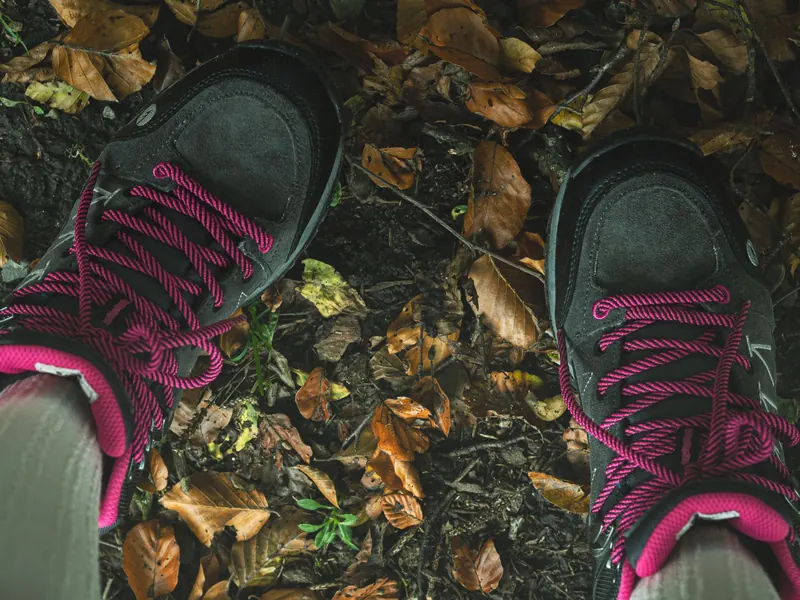
Kilimanjaro, at 5,895 m the highest mountain in Africa, is climbed on foot by tens of thousands of trekkers each year on routes that take around five to nine days. The trek passes through forest, moorland and high desert to a cold, rocky summit. Your boots will do more work than almost any other piece of kit. This explainer covers the conditions your boots face, the features that matter, how to prepare and what else to pack for your feet.
What your boots will face
The lower slopes are often warm and can be muddy in the forest zone. Higher up, paths are dusty and rocky. Summit night usually starts around midnight in sub-zero temperatures, with hours of slow walking up steep scree and rock in the dark. The descent is long and steep, often on loose scree that tests grip and toe room.
Over the whole trek you walk day after day, so comfort and fit matter more than any single feature. Weather varies with season and route; your trekking operator will advise on conditions for your dates.
Boot features that matter
A sturdy leather or robust fabric trekking boot ticks most of these boxes. Our guides to leather walking boots and boots with ankle support compare models built for long days and rough ground.
| Feature | Why it matters |
|---|---|
| Mid or high cut | Keeps scree and dust out and covers the ankle on rough ground |
| Waterproof membrane | Useful in the forest zone, rain and any snow near the summit |
| Supportive, grippy sole | Grip on dusty rock and loose scree, comfort over many days |
| Room for thick socks | Warm socks on summit night without squeezing toes |
| Good toe room | Long, steep descents push toes forward |
| Proven comfort | Several consecutive days of walking |
Do you need insulated or mountaineering boots?
On the standard trekking routes, most trekkers do not need stiff, crampon-compatible mountaineering boots. Warmth on summit night usually comes from thick wool socks, sometimes with a liner, and from keeping moving. Some trekkers who feel the cold choose lightly insulated boots.
Conditions can change, and occasional snow or ice near the summit is possible. Follow your trekking operator's kit list, which is based on current conditions for your route and season.
Break them in before you fly
Never take new boots to Kilimanjaro. Buy them well in advance and wear them on training walks, ideally including long days and steep hills with a loaded day pack. This shows up hot spots and fit problems while you can still change boots.
Our how to break in walking boots guide gives a staged plan. Check toe room on steep descents in training, because the descent from the summit is long; see toes hitting the end of your boots downhill.
Many trekkers wear or carry their boots on the flight, so that if checked luggage is delayed, they still have proven boots.
Socks, gaiters and camp shoes
Read hiking socks explained for sock materials and thickness.
- Several pairs of wool or wool-blend walking socks, including a warm pair for summit night.
- Liner socks if you use them.
- Gaiters to keep scree and dust out of boots, especially on the descent.
- Light camp shoes or sandals for the evenings, so boots can air.
- A small blister kit and tape for hot spots.
Before you go
Kilimanjaro is a high-altitude trek. Altitude affects everyone differently, regardless of fitness, and your operator's acclimatisation plan and guides' advice are important. Book with a reputable operator and check UK government travel advice for Tanzania before you travel.
Choosing good boots is one of the simplest ways to make the trek more comfortable. Start with fit, then choose a boot whose protection matches long, rocky days.
Note:Speak to a GP or travel health clinic well before your trip about altitude, vaccinations and any health conditions. Follow your guides' advice on the mountain.
Frequently asked questions
What are the best hiking boots for Kilimanjaro? Comfortable, well broken-in, waterproof mid or high trekking boots with room for thick socks suit most trekkers.
Do I need crampons on Kilimanjaro? Not normally on the standard trekking routes. Follow your operator's kit list for current conditions.
Can I climb Kilimanjaro in trail shoes? Some do, but most trekkers prefer boots for warmth, protection on scree and keeping out dust.
How warm should boots be for summit night? Warm socks in a boot with enough room are usually enough; some trekkers choose lightly insulated boots.
What you need
- Check price on AmazonAffiliate link
Lowa Tibet Evo GTX: calf-height leather trekking boot
- Check price on AmazonAffiliate link
Zamberlan Vioz Lux GTX RR: leather lined, Gore-Tex
- Check price on AmazonAffiliate link
Meindl Bhutan MFS GTX: leather lined, made in Germany