How-to
How to dry wet walking boots
Published
Note: This page contains affiliate links. If you buy through them we may earn a commission at no extra cost to you. Learn more
In short
Take out the insoles and laces, open the boots wide and stuff them with newspaper or a towel, changing it every few hours. Leave them somewhere warm and airy at room temperature, ideally with moving air from a fan. A low-heat boot dryer is fine. Avoid radiators, fires, ovens and hairdryers, which can crack leather and weaken the glue that holds soles on.
Products for this job
Compare all 7 productsMeindl Bhutan MFS GTX: leather lined Gore-Tex boot
Check price on AmazonAffiliate linkLowa Renegade Evo GTX Mid: leather, fabric lined
Check price on AmazonAffiliate linkLa Sportiva Nucleo High II GTX: leather, slip resistant
Check price on AmazonAffiliate link
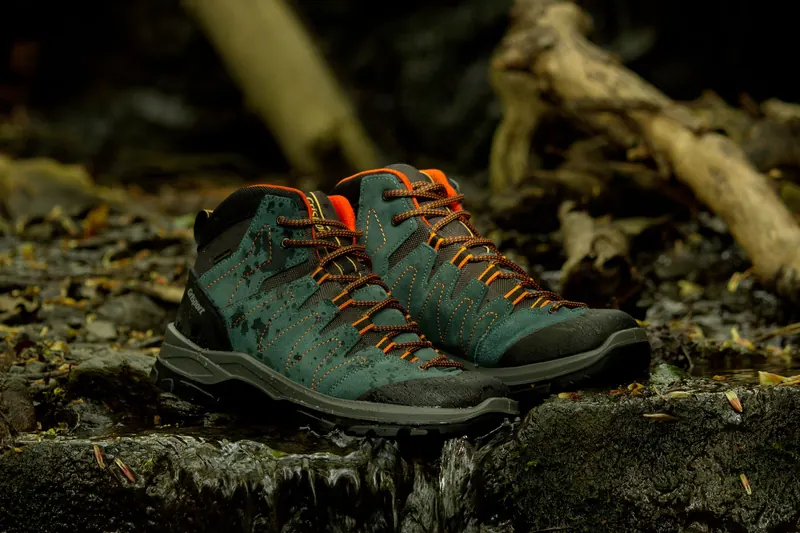
In Britain, wet boots are part of walking. A soaked pair can take days to dry if left in a corner, and drying them too fast can do lasting damage. The aim is to remove water steadily without heat. This guide explains the newspaper method, how to speed things up safely, when a boot dryer helps and what to avoid, plus tips for drying boots on multi-day trips.
Why heat damages boots
Leather contains natural oils. Strong heat drives them out, leaving the leather stiff, shrunken and prone to cracking at flex points. Most walking boot soles are glued to the upper and midsole; heat can soften or weaken the glue so the sole or rand starts to lift. Membranes and foam midsoles can also be damaged by high temperatures.
That is why makers almost always advise drying boots naturally, away from direct heat.
Slow drying is also kinder to the inside of the boot. Leather linings and foam padding hold a lot of water, and forcing it out quickly can leave them hard and uncomfortable against the foot.
The newspaper method
Newspaper draws water out of the lining and helps boots keep their shape. Moving air speeds up drying a lot, so a fan pointed at the open boots helps.
- 1
Remove laces and insoles. Dry insoles separately, flat or standing up.
- 2
Wipe off mud; dirty boots dry more slowly and mud holds water against the leather.
- 3
Open the boots as wide as possible.
- 4
Stuff them loosely with crumpled newspaper, paper towels or an old towel.
- 5
Leave them in a warm, airy room at normal room temperature, not right next to a heat source.
- 6
Change the paper every few hours at first, then once or twice a day.
- 7
When the boots are almost dry, remove the paper and let air finish the job.
Boot dryers
Electric boot dryers come in two main types: warm-air dryers that blow air into the boot and low-heat element dryers that sit inside. Both can work well, as long as they run at a gentle temperature. Look for a model designed for walking boots and follow the dryer and boot makers' instructions.
Many walkers find a fan-only setting is enough. If you use heat, check the boots regularly and stop if the leather feels hot to touch.
Note:Use electrical dryers as the maker directs, with a UK plug or adaptor rated for the device, and do not leave them running unattended for long periods. Never place boots on or against heaters, stoves or open fires.
What to avoid
Direct sunlight is less harmful but can still dry leather unevenly and fade colours. Shade with airflow is better.
- Radiators, storage heaters and stoves.
- Open fires and campfires, even at a distance.
- Hairdryers on hot settings.
- Ovens, airing cupboards right next to the boiler and tumble dryers.
- Leaving wet boots in a sealed bag or car boot, where they stay damp and start to smell.
On a multi-day walk
In a bunkhouse, hostel or B&B, ask for the drying room, which usually has warm moving air at a moderate temperature. Take out the insoles and stand the boots open, but not right against the heater.
When camping, boots will rarely dry overnight. Take out insoles, wipe off mud and keep the boots in the tent porch out of rain. Putting on dry socks in damp boots is more comfortable than you might expect, and the boots dry a little as you walk. A spare pair of dry socks in a waterproof bag is worth its weight.
After drying
Once dry, leather boots often benefit from a light coat of wax or proofer to replace oils lost through wetting. Fabric boots may need reproofing if water no longer beads on the surface. See how to reproof walking boots.
If your boots got wet inside even though they have a membrane, find out why before your next walk. Walking boots leaking covers the common causes. If boots never seem to stay dry, our guides to waterproof walking boots for men and for women compare membrane boots.
Frequently asked questions
How long do wet walking boots take to dry? Usually a day or two with newspaper and good airflow, longer for thick leather.
Can I put walking boots on a radiator? Avoid it. Heat can crack leather and weaken the glue that holds soles.
Are boot dryers safe for leather boots? Low-heat and fan dryers designed for footwear are generally fine. Follow both makers' instructions.
How do I dry boots quickly? Remove insoles, stuff with newspaper, change it often and point a fan at the open boots.
What you need
- Check price on AmazonAffiliate link
Meindl Bhutan MFS GTX: leather lined, made in Germany
- Check price on AmazonAffiliate link
Scarpa Terra GTX Women: leather, Vibram Energy II
- Check price on AmazonAffiliate link
Zamberlan Vioz Lux GTX RR: leather lined, Gore-Tex