How-to
How to reproof walking boots
Published
Note: This page contains affiliate links. If you buy through them we may earn a commission at no extra cost to you. Learn more
In short
Clean the boots first, then apply a proofer suited to the upper while the boot is damp or as the product directs: wax or a leather proofer for smooth leather, a nubuck and suede proofer for those leathers, and a fabric spray for synthetic boots. Wipe off excess and let the boots dry naturally away from heat. Reproof whenever water stops beading on the surface.
Products for this job
Compare all 7 productsZamberlan Vioz Lux GTX RR: leather lined, Gore-Tex
Check price on AmazonAffiliate linkScarpa Kinesis Pro GTX: 2.4 mm leather, Gore-Tex ePE
Check price on AmazonAffiliate linkMeindl Burma Pro MFS GTX: leather, Vibram Multigriff
Check price on AmazonAffiliate link
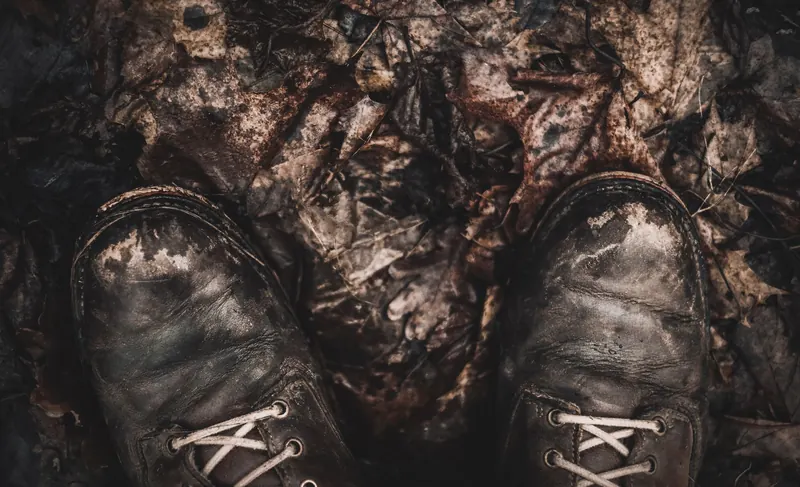
Reproofing restores the water-repellent finish on the outside of a boot. On a Gore-Tex boot, the membrane inside keeps water out, but it only breathes well when the outer stays dry. On a leather boot without a membrane, the proofing is what keeps water out at all. This how-to explains which products suit which uppers, the right order to work in and how often to do it, with brand-specific notes to check against the maker's care guide.
Why reproof at all
New boots leave the factory with a water-repellent treatment. Mud, grit, flexing and UV gradually wear it away. When that happens, the outer fabric or leather soaks up water, a state known as wetting out. A wetted-out boot feels heavier and colder, takes longer to dry and, if it has a membrane, breathes less well, so sweat builds up inside.
A simple test: splash water on the boot. If it beads and runs off, the finish is working. If it darkens and soaks in, it is time to reproof.
Choose the right product
Match the proofer to the upper material. Using the wrong one can change the colour or finish, or clog the leather's breathability. Well-known UK brands such as Nikwax and Grangers make products for each type; follow the boot maker's care advice where it is given.
| Upper | Suitable product type | Notes |
|---|---|---|
| Smooth full-grain leather | Leather wax or leather proofer | Wax adds water resistance and conditions |
| Nubuck and suede | Nubuck and suede proofer (usually spray or liquid) | Wax flattens the nap and darkens colour |
| Fabric and synthetic | Fabric and leather spray-on proofer | Keeps the outer from wetting out |
| Mixed fabric and suede | Combined fabric and leather proofer | Check the label covers both |
Step by step
Do not over-wax leather boots with a membrane. A heavy coat of wax can reduce breathability. A thin, even layer is enough.
- 1
Remove the laces and insoles.
- 2
Clean the boots thoroughly with a brush and water, or a boot cleaner, removing all mud and grit. See our cleaning guide.
- 3
Leave the boots damp if the product is water-based, as many proofers work best on damp uppers. Follow the label.
- 4
Apply the proofer evenly over the upper, paying attention to seams and flex creases.
- 5
Wipe off any excess after a few minutes with a clean cloth.
- 6
Let the boots dry naturally at room temperature, away from radiators, stoves and direct sun.
- 7
Refit the insoles and laces once fully dry.
Brand-specific notes
Most makers publish care instructions. Some recommend their own care products; others name the types of product to use. Salomon's boots often combine fabric, synthetic leather and suede, so a fabric and leather spray suits most; check Salomon's guidance for the model. Scarpa's leather boots typically take a leather wax or proofer, while its suede and fabric models need a spray. Meindl and Lowa leather boots take leather wax or proofer.
When in doubt, test any product on a small hidden area first and follow the maker's instructions for that boot.
How often to reproof
There is no fixed rule. Walkers who go out every weekend in wet weather may reproof every few weeks; occasional summer walkers may need to only a couple of times a year. Reproof whenever water stops beading, after a thorough clean and before a big trip.
Reproofing will not fix a damaged membrane, a split seam or water coming in over the cuff. If boots leak despite proofing, read walking boots leaking.
Keep an eye on the flex creases across the toes and the seams around the rand. These areas wet out first because they bend with every step and collect grit. A quick extra coat of proofer on these spots between full treatments keeps the whole boot working longer.
Look after the whole boot
Proofing works best as part of regular care: clean after muddy walks, dry slowly and store somewhere cool and dry. Read how to dry wet walking boots for drying without heat. Well-kept leather boots can last many years, and some can be resoled; our walking boots you can resole guide lists long-life models.
Frequently asked questions
How do I waterproof Salomon walking boots? Clean them and apply a fabric and leather spray-on proofer suited to mixed uppers, following Salomon's care guidance.
Can I use wax on Gore-Tex boots? On smooth leather, a thin layer is fine. Avoid heavy wax on nubuck, suede and fabric.
Does reproofing make boots fully waterproof? It restores the outer's water repellency. Waterproofing itself comes from the leather and any membrane.
Should boots be wet when reproofing? Many water-based proofers work best on damp boots. Check the product label.
What you need
- Check price on AmazonAffiliate link
Zamberlan Vioz Lux GTX RR: leather lined, Gore-Tex
- Check price on AmazonAffiliate link
Meindl Bhutan MFS GTX: leather lined, made in Germany
- Check price on AmazonAffiliate link
Lowa Tibet Evo GTX: calf-height leather trekking boot