Fix
Smelly walking boots: how to freshen them
Published
Note: This page contains affiliate links. If you buy through them we may earn a commission at no extra cost to you. Learn more
In short
Boot smell comes from sweat and bacteria in damp linings and insoles. Take out and wash the insoles, rinse the inside of the boots with lukewarm water, then dry everything thoroughly with newspaper and airflow. Wear wool or synthetic walking socks, let boots dry fully between walks and replace insoles that stay smelly. Avoid harsh chemicals inside membrane boots.
Products for this job
Compare all 7 productsLowa Renegade GTX Mid: leather upper, Gore-Tex
Check price on AmazonAffiliate linkMeindl Bhutan MFS GTX: leather lined, made in Germany
Check price on AmazonAffiliate linkScarpa Terra GTX: leather with Vibram Energy II sole
Check price on AmazonAffiliate link
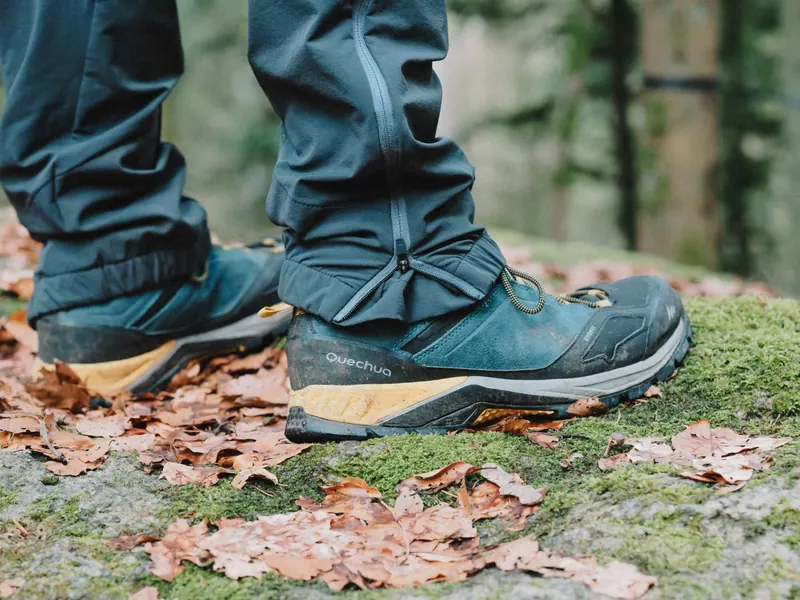
Walking boots spend hours wrapped around warm, sweaty feet and are often put away damp. That is the perfect home for the bacteria that cause odour. The smell is not just unpleasant; boots that stay damp also wear faster. The good news is that most smelly boots can be freshened with simple cleaning and, above all, proper drying. This guide covers what works, what to avoid and how to stop the smell coming back.
Why boots smell
Feet sweat, especially inside warm, waterproof boots. Sweat itself has little smell, but bacteria feed on it and on skin cells, producing the familiar odour. Linings and insoles absorb sweat, and if the boots never dry fully between walks, bacteria thrive.
Leather linings, foam padding and thick insoles hold more moisture than thin fabric linings, so heavy leather boots can be more prone to smell if not dried properly.
Wet walks make it worse. Rain, bog water and puddles carry mud and organic matter into the lining, and a boot that is put away wet in a porch or car boot can start to smell within a day or two. Cleaning off mud and drying promptly after wet walks prevents most of the problem before it starts.
How to freshen smelly boots
Drying is the most important step. Even clean boots will smell again if they stay damp. See how to dry wet walking boots for the method.
- 1
Remove the laces and insoles.
- 2
Hand wash the insoles in lukewarm water with a little mild soap or a footwear cleaner, rinse well and air dry flat.
- 3
Rinse the inside of the boots with lukewarm water, swirling it around, then pour it out. A footwear cleaner suitable for linings can be used; follow its label.
- 4
Rinse again with clean water.
- 5
Stuff with newspaper and dry at room temperature with good airflow, changing the paper regularly.
- 6
When completely dry, refit the insoles and laces.
What not to put inside membrane boots
Membranes such as Gore-Tex can be damaged by harsh chemicals, solvents and some sprays. Avoid bleach, strong disinfectants, washing machine cycles and anything the boot maker does not recommend. Hot water and heat can also damage membranes and glues.
Some walkers use odour sprays or powders made for footwear. Check the label says it is suitable for waterproof or membrane boots, and test it first. Bicarbonate of soda sprinkled inside dry boots overnight and shaken out thoroughly is a widely used home method; make sure no residue is left in the lining.
Note:If you have persistent foot odour with itching, peeling or broken skin, it may be a foot condition rather than a boot problem. A pharmacist can advise.
Preventing the smell coming back
Our hiking socks explained guide covers sock materials. Merino wool is widely used by walkers partly because it tends to smell less after a day's wear than many synthetics.
- Wear merino wool or synthetic walking socks, which move sweat away from the skin better than cotton.
- Change socks daily, and mid-walk on long or hot days.
- Take the insoles out after every walk so both they and the boots dry fully.
- Store boots somewhere cool and airy, never in a sealed bag or car boot.
- Alternate between two pairs if you walk on consecutive days.
- Replace insoles that stay smelly after washing; they are cheap compared with boots.
When to replace insoles or boots
Insoles absorb most of the sweat. If they stay smelly after washing, or have flattened and lost cushioning, replace them. Many boots use standard removable insoles that can be swapped for aftermarket ones; read walking boot insoles explained first, because thicker insoles change the fit.
If the lining itself is breaking down, coming apart or the smell never leaves despite cleaning and drying, the boots may be near the end of their life. Our guides to the best walking boots for UK hills and lightweight walking boots compare replacements. Fabric-lined boots dry faster than leather-lined ones, which can help if smell is a recurring problem.
Frequently asked questions
Can I put walking boots in the washing machine? Generally no. Heat and tumbling can damage glue, membranes and leather. Hand wash instead.
How do I wash hiking boots inside? Remove insoles, rinse the inside with lukewarm water and a suitable cleaner, rinse again and dry slowly.
Do merino socks help with smelly boots? Many walkers find merino socks smell less after a day's wear than cotton or some synthetics.
How do I stop boots smelling? Dry them fully after every walk, wash insoles regularly and wear wicking socks.
What you need
- Check price on AmazonAffiliate link
Lowa Renegade GTX Mid: leather upper, Gore-Tex
- Check price on AmazonAffiliate link
Scarpa Rush TRK GTX: suede mid boot, 555 g listed
- Check price on AmazonAffiliate link
Zamberlan Vioz Lux GTX RR: leather lined, Gore-Tex