Guide
How long do walking boots last?
Published
Note: This page contains affiliate links. If you buy through them we may earn a commission at no extra cost to you. Learn more
In short
There is no fixed lifespan. A commonly quoted rough guide is around 500 to 1,000 miles (about 800 to 1,600 km) for walking boots, with light fabric boots towards the lower end and well-kept leather boots often lasting longer, especially if resoled. Watch for worn lugs, a compressed or cracked midsole, split uppers and leaks rather than counting years.
Products for this job
Compare all 7 productsZamberlan Vioz Lux GTX RR: leather lined, Gore-Tex
Check price on AmazonAffiliate linkScarpa Kinesis Pro GTX: 2.4 mm leather, Gore-Tex ePE
Check price on AmazonAffiliate linkMeindl Burma Pro MFS GTX: leather, Vibram Multigriff
Check price on AmazonAffiliate link
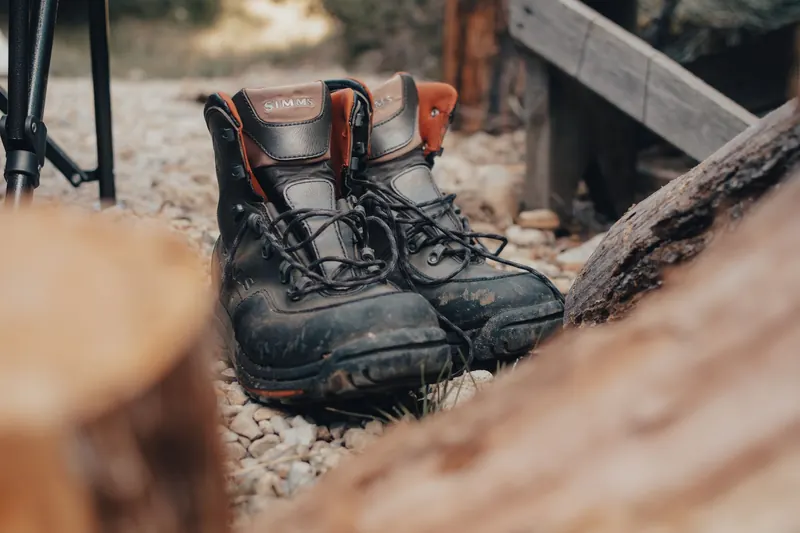
How long a pair of walking boots lasts depends on how far you walk, the ground, your weight and pack, how the boots are built and how well you look after them. A pair used for a few summer walks a year can last a decade; a pair used every weekend on rough Scottish hills may need replacing within a few years. This explainer gives realistic ranges, the signs that boots are wearing out and the habits that make them last longer.
Rough lifespans by boot type
Distance is a more useful measure than years. The figures below are widely quoted rules of thumb, not guarantees; your boots may last more or less.
| Type | Typical range | Notes |
|---|---|---|
| Trail running shoes | Around 300 to 500 miles | Foam compresses quickly |
| Lightweight fabric boots | Around 500 to 800 miles | Uppers and membranes wear sooner |
| Leather walking boots | Around 800 to 1,000 miles or more | Uppers often outlast soles |
| Resoled leather boots | Can run to several thousand miles | Depends on care and resoles |
What wears out first
On most boots the outsole lugs wear down first, especially at the heel and under the ball of the foot. Once the tread is shallow, grip on mud and wet grass drops noticeably.
The midsole foam slowly compresses with use, even if the outsole looks fine. Boots that once felt cushioned start to feel flat and hard, and may lean to one side when placed on a table.
Fabric uppers wear at the flex point and where they rub on rock. Leather uppers can crack at the toe crease if they are allowed to dry out. Membranes wear at flex points too, which is why older waterproof boots often start leaking at the toes.
Signs it is time to replace or repair
Some of these can be repaired. Worn outsoles on leather boots can often be replaced; see can you resole walking boots. Lifting rands and open seams can sometimes be fixed by a specialist repairer.
- Lugs worn smooth or the outsole worn through to the midsole.
- Midsole cracked, crumbling or compressed so the boot feels flat.
- Upper split at the toe crease or seams opening.
- Rand lifting away from the sole.
- Feet getting wet through the boot rather than over the cuff.
- Heel counter collapsed, so the heel no longer feels held.
- New aches or discomfort on walks that were fine before.
Note:Worn treads grip poorly on wet grass, mud and rock. Do not keep using boots in the hills once the lugs are worn smooth.
How to make boots last longer
Care makes a big difference. Clean off mud and grit after every walk, because grit wears seams and dried mud holds moisture against leather. Dry boots slowly away from heat: radiators and fires crack leather and weaken glue. Reproof the upper when water stops beading. Store boots somewhere cool and airy.
Use the right boot for the job. Light fabric boots wear quickly on rough, rocky ground; heavier leather boots handle it better. Rotating two pairs also extends the life of both, as each has time to dry fully.
Our care guides cover each step: how to clean walking boots, how to dry wet walking boots and how to reproof walking boots.
Buying for a long life
If you want a boot that lasts many years, look for a thick leather upper, a named rubber outsole and a construction the maker or a specialist can resole. Our guides to leather walking boots and walking boots you can resole compare models built for the long term.
If you prefer lighter boots, accept that they will need replacing more often and look after them to get the most from each pair.
Does age alone matter?
Boots that sit unused for years can still deteriorate. Some midsole foams and glues break down with age, especially if stored somewhere hot or damp, and soles can crack or separate on the first walk after a long rest. If you dig out an old pair, inspect them carefully and try them on a short walk before relying on them in the hills.
Frequently asked questions
How long should walking boots last? A rough guide is 500 to 1,000 miles, with care, construction and ground making a big difference.
How many years do hiking boots last? It depends on use. Occasional walkers may get many years; frequent walkers may need new boots every few years.
Do leather boots last longer than fabric? Generally yes, and many can be resoled.
Can old boots be revived? Cleaning, reproofing and new insoles help, but worn soles and midsoles need repair or replacement.
What you need
- Check price on AmazonAffiliate link
Zamberlan Vioz Lux GTX RR: leather lined, Gore-Tex
- Check price on AmazonAffiliate link
Lowa Tibet Evo GTX: calf-height leather trekking boot
- Check price on AmazonAffiliate link
Lowa Renegade GTX Mid: leather upper, Gore-Tex